Outdoor Sound Systems
by Admin
Posted on 21-10-2025 06:59 AM
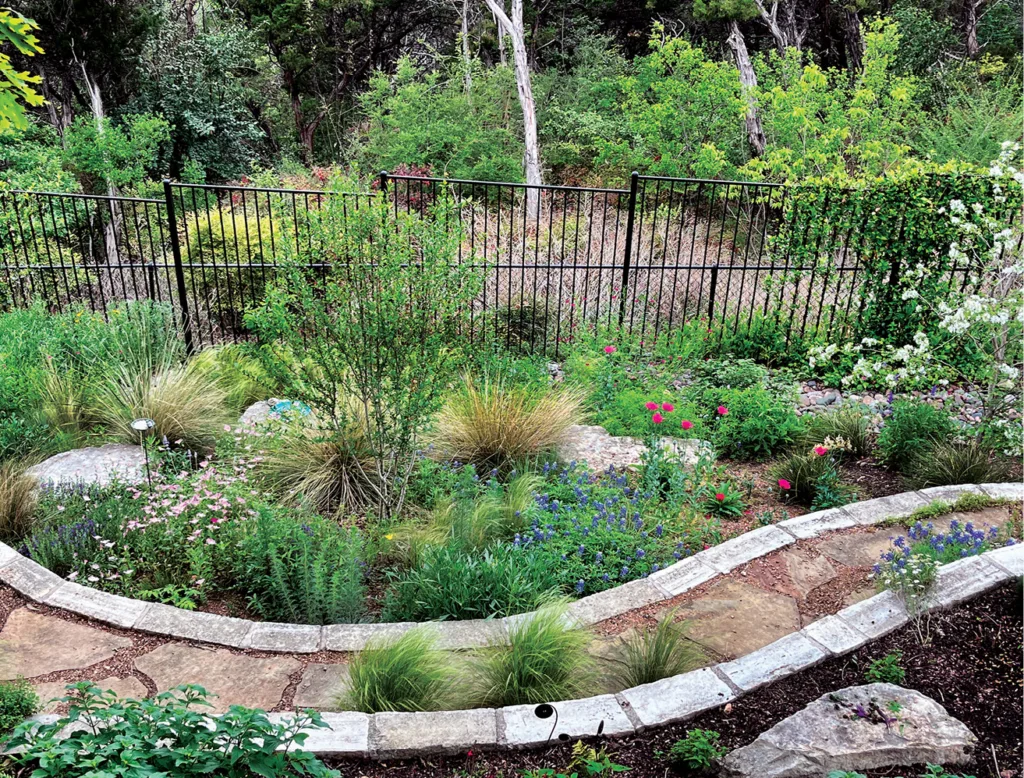
Types of Outdoor Sound Systems
There are several types of outdoor sound systems to choose from, each with its own unique characteristics and advantages. The most common types include permanent installations, temporary rentals, and portable systems. Permanent installations are designed to be left in place for extended periods and are often used in residential or commercial settings, such as those found at https://timberlinegarden.com/. Temporary rentals are ideal for one-time events or short-term applications, while portable systems offer the flexibility to be easily moved and set up in different locations.
Permanent Installations
Permanent outdoor sound systems are designed to withstand the elements and provide long-term reliability. These systems typically include weather-resistant speakers, amplifiers, and control equipment, all of which are carefully selected and installed to ensure optimal performance and durability. Permanent installations can be customized to meet the specific needs of your outdoor space, whether it's a patio, pool area, or large lawn.
Temporary Rentals
Temporary outdoor sound system rentals are a great option for events or gatherings that require a high-quality sound system for a short period. These systems are typically designed to be easy to set up and take down, and can be rented for a day, weekend, or longer. Temporary rentals can include a range of equipment, from simple speaker systems to more complex setups with multiple components.
Portable Systems
Portable outdoor sound systems offer the ultimate in flexibility and convenience. These systems are designed to be lightweight, compact, and easy to transport, making them perfect for events or gatherings that require a reliable sound system in different locations. Portable systems can range from simple, all-in-one units to more complex setups with separate speakers, amplifiers, and control equipment.
Designing an Outdoor Sound System
Designing an outdoor sound system requires careful consideration of several key factors, including the size and layout of your outdoor space, the type of events or gatherings you'll be hosting, and the level of sound quality you require. It's also important to consider the environmental conditions of your outdoor space, including weather, noise pollution, and potential sources of interference.
Assessing Your Outdoor Space
Before designing your outdoor sound system, it's essential to assess your outdoor space and identify any potential challenges or limitations. This includes measuring the size and layout of your space, noting the location of any obstacles or reflective surfaces, and considering the types of events or gatherings you'll be hosting. By understanding the unique characteristics of your outdoor space, you can design a sound system that meets your needs and provides optimal performance.
Selecting Equipment
Once you've assessed your outdoor space, it's time to select the equipment for your sound system. This includes choosing the right speakers, amplifiers, and control equipment, as well as considering any additional components, such as microphones, mixers, or processing equipment. When selecting equipment, it's essential to consider factors such as weather resistance, power handling, and sound quality, as well as the overall durability and reliability of the components.

Installing an Outdoor Sound System
Installing an outdoor sound system requires careful planning and attention to detail to ensure a safe and reliable setup. This includes selecting the right locations for your speakers and other equipment, running cables and wiring, and configuring your system for optimal performance. It's also essential to consider any local regulations or ordinances that may apply to outdoor sound systems, such as noise restrictions or permits.
Running Cables and Wiring
Running cables and wiring is a critical part of installing an outdoor sound system. This includes selecting the right types of cables and connectors, routing them safely and securely, and ensuring that all connections are secure and weather-tight. It's also essential to consider the potential for interference or noise pollution, and to take steps to minimize these risks.
Configuring Your System
Once your equipment is installed, it's time to configure your system for optimal performance. This includes setting the levels and tone controls, configuring any processing or effects equipment, and testing your system to ensure that it's working as intended. By taking the time to carefully configure your system, you can ensure that your outdoor sound system provides the best possible sound quality and meets your needs.
Maintenance and Repair
To ensure that your outdoor sound system continues to perform at its best, it's essential to regularly maintain and inspect your equipment. This includes cleaning and checking your speakers and other components, checking for signs of wear or damage, and performing any necessary repairs or replacements. By staying on top of maintenance and repair, you can extend the life of your sound system and ensure that it continues to provide reliable, high-quality sound.
Troubleshooting Common Issues
Despite your best efforts, issues can still arise with your outdoor sound system. Common problems include equipment failure, interference or noise pollution, and configuration errors. By understanding the common causes of these issues and taking steps to troubleshoot and resolve them, you can get your system back up and running quickly and minimize downtime.
Conclusion
An outdoor sound system can be a valuable addition to any outdoor space, providing a convenient and enjoyable way to listen to music, watch movies, or host events and gatherings. By understanding the key components and considerations of outdoor sound systems, you can design and install a system that meets your needs and provides optimal performance. Whether you're looking to create a relaxing atmosphere or an immersive entertainment experience, an outdoor sound system can help you achieve your goals.
FAQs
What types of outdoor sound systems are available?
There are several types of outdoor sound systems available, including permanent installations, temporary rentals, and portable systems. Each type has its own unique characteristics and advantages, and the right choice will depend on your specific needs and requirements.
How do I choose the right equipment for my outdoor sound system?
When choosing equipment for your outdoor sound system, consider factors such as weather resistance, power handling, and sound quality, as well as the overall durability and reliability of the components. It's also essential to consider the size and layout of your outdoor space, as well as the type of events or gatherings you'll be hosting.
Can I install an outdoor sound system myself, or do I need to hire a professional?
While it's possible to install an outdoor sound system yourself, it's often recommended to hire a professional to ensure a safe and reliable setup. A professional can help you design and install a system that meets your needs and provides optimal performance, and can also ensure that all local regulations and ordinances are complied with.
How do I maintain and repair my outdoor sound system?
To maintain and repair your outdoor sound system, regularly inspect and clean your equipment, check for signs of wear or damage, and perform any necessary repairs or replacements. It's also essential to stay on top of maintenance and repair to extend the life of your sound system and ensure that it continues to provide reliable, high-quality sound.
What are some common issues that can arise with outdoor sound systems, and how can I troubleshoot them?
Common issues that can arise with outdoor sound systems include equipment failure, interference or noise pollution, and configuration errors. To troubleshoot these issues, understand the common causes and take steps to resolve them, such as checking connections, adjusting levels and tone controls, and consulting the user manual or seeking professional assistance if needed.